Every cycle has its quiet work and its bold reveal. In the rhythm of the Chinese Zodiac, 2025—the Year of the Snake—marked a powerful season of shedding, while 2026—the Year of the Horse—ushers in movement, courage, and visible momentum. Together, they tell a story of transformation followed by takeoff.
2025: The Year of the Snake — The Sacred Shed
The Snake is not loud. It doesn’t rush. Its power lies in awareness, patience, and precision. In 2025, the Snake invited us to release what no longer fits—habits, beliefs, roles, and even identities that once protected us but now restrict growth.
Shedding isn’t loss; it’s alignment. Just as a snake outgrows its skin, we outgrow versions of ourselves. This year asked for honesty:
What patterns have become too tight?
What fears are inherited rather than chosen?
What truths have been whispered but ignored?
2025 may have felt introspective. Progress may have happened behind the scenes—in mindset shifts, boundary-setting, deep healing, and strategic planning. This was a year for refinement over reaction, wisdom over impulse. The work was subtle, but foundational. By the end of this year, you’re not just lighter—you’re clearer.
If you feel you still have work to do, that is okay too. I can honestly say much of the shedding I have done has been in the later part of the year while the start held me in depression, stagnation and a fog that left me at times paralized. My adivse, just keep taking those baby steps forward. Answer the questions – honestly – even if you don’t like what you hear back. Use that to propel yourself into something better. Shedding is never a one and done.
The Rise After the Shedding
What emerges after a shed is not the old self repaired, but a new self revealed. The Snake teaches that transformation doesn’t always announce itself. Often, it prepares quietly. If 2025 felt like a cocoon, trust that it’s intentional. You are creating space for what comes next.
2026: The Year of the Horse — Forward Motion
Enter 2026, and the energy shifts. The Horse is dynamic, expressive, and free-spirited. Where the Snake turned inward, the Horse charges forward. This is a year of action, confidence, and visibility.
The Horse favors:
Bold decisions
Travel and expansion
Creative expression
Leadership and independence
What you clarified and released in 2025 becomes fuel in 2026. Ideas move from planning to execution. Relationships evolve through honesty and shared momentum. Careers accelerate as you step into roles that match your renewed sense of self.
But the Horse also asks for balance. Its speed is exhilarating, but sustainability matters. Channel passion with purpose. Let freedom be guided by values.
From Wisdom to Wind in Your Hair
Together, these years form a powerful arc. 2025 taught you who you are without the excess. 2026 asks you to live it out loud. The shedding makes the rise possible.
If you honor the quiet work of the Snake, the Horse will carry you far—strong, unburdened, and ready for the road ahead.
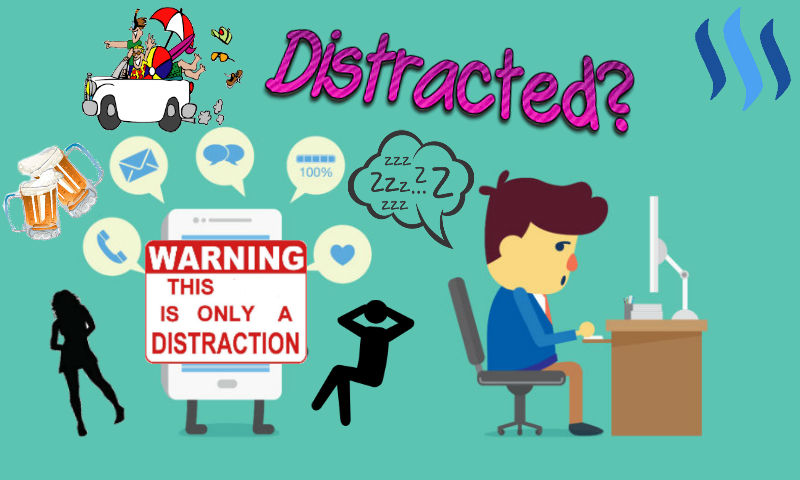
At Practical Insanity, we dive into the quirks of the human mind with a mix of humor and practicality. Today, we’re talking about the “squirrel brain”—that scattered, distractible state where your mind darts from one shiny object to the next like a squirrel chasing acorns. If you’ve ever found yourself starting ten tasks, finishing none, and wondering why you’re reading about medieval basket weaving instead of working, this post is for you. Let’s explore what it’s like to live with a squirrel brain, why it happens, and practical ways to get back on track.
What Is a Squirrel Brain?
Picture this: you sit down to write a report, but five minutes later, you’re reorganizing your desk, texting a friend, and Googling “why do squirrels forget their nuts?” That’s the squirrel brain in action. It’s a nickname for a mind that struggles to stay focused, constantly jumping between thoughts, tasks, or distractions. It’s not always a bad thing—squirrel brains are often creative, curious, and quick—but it can make productivity feel like herding cats.
This distractibility can stem from various sources: stress, information overload, or even neurodivergent conditions like ADHD. In a world buzzing with notifications, social media, and endless browser tabs, even the most disciplined among us can feel like we’re channeling our inner rodent.
The Struggle to Focus
Living with a squirrel brain means grappling with a few common challenges:
Task Overload: You start one project, but before it’s done, you’re onto the next. Your desk (or brain) is littered with half-finished ideas.
Shiny Object Syndrome: Every new idea or notification feels urgent, pulling you away from what matters.
Mental Fatigue: Constantly switching tasks drains your energy, leaving you frustrated and unproductive.
Guilt Spiral: You beat yourself up for not “getting it together,” which only makes focusing harder.
Sound familiar? You’re not alone. The modern world is practically designed to hijack our attention. But don’t worry—your squirrel brain doesn’t have to run the show. Here are some practical strategies to tame the chaos and find your focus.
How to Get Back on Track
1. Accept Your Squirrel Brain (It’s Okay to Be Nutty)
The first step is to stop fighting your brain’s natural tendencies. Distraction often comes from curiosity or creativity, which are strengths! Instead of feeling guilty, acknowledge that your brain loves to explore. Self-compassion reduces stress, which can make it easier to focus. Try saying, “Okay, brain, I see you chasing that shiny acorn. Let’s gently come back to this task.”
2. Create a “Squirrel Parking Lot”
Your brain loves new ideas, so give it a place to store them without derailing your work. Keep a small notebook or digital note-taking app (like Notion or a simple text file) for random thoughts. When a distraction pops up—say, “I should research eco-friendly paint!”—jot it down in your “squirrel parking lot” and return to your task. Review these notes later to decide what’s worth pursuing.
3. Break Tasks into Tiny Chunks
Big tasks can overwhelm a squirrel brain, making it easier to bolt toward something less daunting (like reorganizing your sock drawer). Break your work into bite-sized pieces. For example, instead of “write a blog post,” start with “write one paragraph” or “brainstorm three ideas.” Small wins build momentum and trick your brain into staying engaged.
4. Use the Pomodoro Technique
The Pomodoro Technique is a squirrel brain’s best friend. Set a timer for 25 minutes of focused work, followed by a 5-minute break. During the work block, commit to one task—no checking emails or scrolling X. During the break, let your squirrel brain run wild: stretch, grab a snack, or chase a random thought. After four cycles, take a longer break (15–30 minutes). This method harnesses your brain’s energy while giving it regular outlets for distraction.
5. Curate Your Environment
Your surroundings can either tame or unleash your squirrel brain. Minimize distractions by:
Turning off notifications: Silence your phone or use “Do Not Disturb” mode.
Decluttering your workspace: A clear desk helps a clear mind.
Using focus tools: Apps like Freedom or Cold Turkey can block distracting websites during work hours.
Adding gentle cues: A calming playlist or a scented candle can signal “focus time” to your brain.
6. Prioritize with the “One Thing” Rule
Each morning, ask yourself, “What’s the one thing I need to accomplish today?” Write it down and tackle it first, before your squirrel brain gets sidetracked. This doesn’t mean you ignore other tasks, but it gives you a clear anchor to return to when distractions arise.
7. Move Your Body
Physical movement can reset a scattered mind. A quick walk, some stretching, or even a 5-minute dance break can release pent-up energy and boost focus. Exercise increases blood flow to the brain, helping you think more clearly and resist the urge to chase every passing thought.
8. Practice Mindfulness (Even for 2 Minutes)
Mindfulness doesn’t have to mean hours of meditation. Try a quick 2-minute exercise: close your eyes, take deep breaths, and focus on the sensation of breathing. When your mind wanders (and it will), gently bring it back. This trains your brain to notice distractions without getting lost in them.
9. Celebrate Progress, Not Perfection
Squirrel brains often chase perfection, which can lead to procrastination or abandoning tasks. Instead, celebrate small victories. Finished a paragraph? Awesome. Stayed focused for 10 minutes? You’re killing it. Positive reinforcement keeps you motivated and reduces the guilt spiral.
When to Seek Extra Help
If your squirrel brain feels unmanageable or is impacting your work, relationships, or well-being, it might be worth exploring further. Conditions like ADHD, anxiety, or even sleep issues can amplify distractibility. Talking to a therapist, coach, or doctor can provide tailored strategies or, if needed, professional support.
Embrace Your Inner Squirrel
Having a squirrel brain isn’t a flaw—it’s a sign of a lively, curious mind. The key is learning to channel that energy into what matters most to you. By accepting your brain’s quirks and using practical tools like the Pomodoro Technique, a “squirrel parking lot,” or a clutter-free workspace, you can turn distraction into productivity. So, go ahead—chase a few acorns, but know you’ve got the skills to come back to the tree.
What’s your favorite way to tame your squirrel brain? Share your tips on X or in the comments below, and let’s keep the conversation going at Practical Insanity!
As the calendar flips to March, there’s a subtle shift in the air that’s hard to ignore. The biting chill of winter begins to loosen its grip, and the world feels like it’s waking up. Here we are, on the cusp of spring—my favorite season, and one that feels especially meaningful this year as I lean into my word for 2025: Hope.
Winter has its own quiet beauty, doesn’t it? The stark landscapes, the cozy nights by the fire, the way the snow (or frost, depending on where you are) hushes everything into stillness. But by mid-March, I’m ready to trade the heavy coats and gray skies for something lighter, something brighter. Spring arrives like a promise—a reminder that even after the longest, coldest months, renewal is possible. That’s where the hope creeps in, soft and persistent, like the first green shoots pushing through the soil.
The warm weather is what gets me every time. There’s nothing quite like stepping outside and feeling the sun on your face after months of bundling up. It’s as if the earth itself is exhaling, inviting us to do the same. I can already picture the windows thrown open, the breeze carrying the scent of blooming flowers, and the sound of birds that seem to sing with a little extra enthusiasm. It’s a season that feels alive, and it stirs something in me too—a sense that fresh starts aren’t just possible, they’re inevitable.
Of course, spring isn’t without its quirks. For every warm day and budding tree, there’s a cloud of pollen waiting to remind us that beauty often comes with a catch. My eyes are already itching just thinking about it, and I know I’ll be reaching for the tissues as much as I’ll be reaching for my sunglasses. But isn’t that life in a nutshell? We take the good with the bad, the sunshine with the sneezes, because the trade-off is worth it. A little discomfort can’t dim the glow of a season that practically radiates possibility.
That’s what hope is to me this year—not a blind optimism that ignores the messy bits, but a steady belief that the good outweighs the rough patches. Spring embodies that perfectly. It’s the courage of a daffodil breaking through the dirt, the warmth that lingers a little longer each day, the way nature shrugs off winter and says, “Let’s try again.” It’s a season that doesn’t pretend everything’s perfect, but dares us to see the beauty anyway.
So here’s to spring 2025—to the longer days, the softer air, and the hope that settles in like an old friend. Sure, I’ll be sniffling through the pollen and cursing the occasional muddy footprint tracked inside, but I’ll also be soaking up every second of this shift. Because at the end of the day, that’s what hope asks of us: to embrace the bloom, even when it comes with a little sting.
What about you? How does spring feel where you are? Let’s share the insanity—and the hope—of this season together.
I turned 60 a while back, and let me tell you, it’s not quite the golden era I’d imagined. Sure, there’s wisdom—or at least a knack for faking it—and a certain freedom in not caring what the neighbor thinks about my overgrown lawn. But lately, life has felt more like a high-wire act, balancing grief, family drama, and the relentless march of time. A year ago, I lost my mom to cancer. Now, my 89-year-old dad just took a fall and broke his hip. It’s a lot. And I’m not the only one feeling the weight—my siblings, my job, and my own headspace are all tangled up in this mess. Here’s what I’ve learned so far, and a few ways I’m trying to make it better.
The Emotional Rollercoaster
Losing Mom was brutal. Cancer doesn’t mess around—we had bonus years but they went by quickly, and even a year later, I catch myself reaching for the phone to call her about something trivial, like how to get a stain out of a shirt. That grief was still simmering when Dad fell. He’s 89, stubborn as a mule, and until recently, he was still shuffling around the house like he owned the place. Now he’s in a hospital bed, recovering from surgery and next step -rehab. And I’m staring down the reality that he’s not invincible. The emotions hit like waves: sadness, guilt for not being there when he fell, anger that life keeps piling on, and this weird nostalgia for when things were simpler.
My siblings feel it too, but we’re all processing it differently. Me? I’m trying to hold it together while quietly falling apart. It’s exhausting.
Siblings: Allies and Adversaries
Speaking of siblings, navigating this with them is its own circus. We’re a team, sure, but we’re also a mess of clashing opinions and personalities. I am thankful we pull together and can work as a team. My youngest sister is fantastic at the details, insurance, rehab, communicating with doctors. My middle sister is a massage therapist and comes in to sooth dad and give him reiki. My brother, he lives in a different state, is really good at telling it like it is when dad needs to hear the hard truth. Me, well, I don’t know what I really DO other than offer support, encouraging words and my time sitting with him. I’m the emotional one – I can cry on a dime and sometimes get too emotionally charged. I am grateful however, that the four of us seem to manage well together and not act like a bunch of teenagers fighting over a remote!
Work: The Unsympathetic Juggler
Then there’s work. I’m lucky in that I have several part time jobs (gig work I think is the term now). I seem to be managing to show up for the jobs that I am being employed with but my entrepreneurial work is suffering in a big way. It is challenging to make it all work well.
Finding Ways to Make It Better
So, how do we keep from drowning in all this? I’m no expert, but here’s what’s helping me—and might help you if you’re in the same boat:
Lean on Each Other (When Possible) My siblings and I aren’t perfect, but we’ve started a group text just for updates on Dad. No arguing, no guilt trips—just facts. It’s a small thing, but it cuts through the noise. Find the one channel that works for your family, and use it.
Steal Moments for Yourself I’ve started walking around the block with my dog Rex. It’s 15 minutes of quiet where I can breathe, think about Mom without breaking down, and brace myself for whatever’s next. Carve out something, anything, that’s yours.
Ask for Help I hate doing it, and I haven’t been able to do this to be honest – but I am a work in progress and will get there!
Laugh When You Can Dad’s still got his sense of humor, cracked hip and all. Find the absurd in the awful—it’s there if you look.
Let the Guilt Go (or Try To) I wasn’t there when Dad fell. I didn’t catch Mom’s cancer sooner. I could “should’ve” myself to death, but it doesn’t change a thing. I’m doing my best, and that’s enough.
The Road Ahead
Dad’s being moved to rehab tomorrow. He cam through surgery like a champ for his age and now he has to do the hard work of recovery. Will he bounce back? Will we figure out how to care for him? I don’t know. What I do know is that being in my 60s isn’t just about slowing down—it’s about facing the hard stuff head-on, with a little more grace than I had at 40. Mom’s gone, Dad’s fragile, and my siblings and I are a work in progress. But we’re in it together, and somehow, that’s got to be enough.
If you’re juggling your own version of this insanity, drop a comment. I’d love to hear how you’re making it through. For now, I’m off to the hospital with a coffee in hand and a prayer in my pocket. Here’s to surviving the practical insanity of it all.
2025 is not only a year of HOPE, it’s a year of BOLD MOVES for me. I am excited to be back in the game and ready to move those pieces on my board again.
As I look back on last year I am not going to say I wasted time or feel sorry for myself for the choices I made. I can look back with compassion and give myself grace that I allowed time for grief, time for introspection and hibernation. When you lose an angel part of you is lost. It takes time to heal from that loss.
So here some bold moves I plan to implement in these first months of 2025…
ballroom dancing
non negotiable morning routine
phone silenced during working hours
more date nights
choosing the book over the television
one on one Italian lessons
notes of joy and texts
more greens
weights added to my exercise routine
certification in place to start my passion project
That’s what is in (at least a few things) …. Now here’s what’s out
stressing over things I can’t control
people pleasing
other people’s opinions
wasting time
scrolling
doing things I don’t enjoy or do not move the ball forward for my goals
being silent
My angels, my cheerleaders, thank you in advance for holding me accountable to this and so much more. I am keenly aware there will be hard days and skinned knees. There will be successes and some failures. There will be ease and friction. That is the stuff of life.
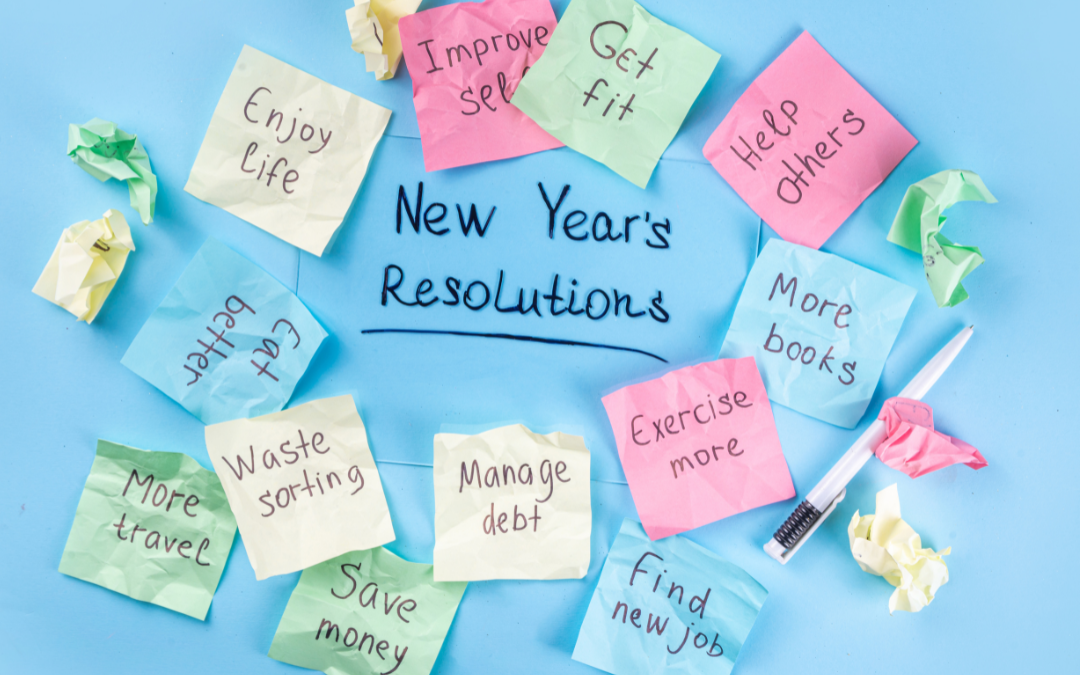
As the clock strikes midnight on December 31st, millions of people around the world celebrate the symbolic transition into a new year. We cheer, we make resolutions, and we embrace the idea of new beginnings. But does the simple act of flipping a calendar page truly signify change? Or is it merely a societal ritual, leaving us the same as we were the day before?
The truth lies somewhere in between. A new year is not an automatic reset button. We don’t wake up on January 1st as entirely new people, nor do our circumstances magically transform. The calendar may provide a fresh framework, but real, lasting change requires intention, effort, and a grounded approach.
The Problem with “New Year, New Me”
The cultural narrative around New Year’s resolutions often sets us up for failure. We create lofty, vague goals (“Get fit” or “Be more productive”), only to abandon them a few weeks later. Why? Because these goals are often:
Unrealistic: Setting overly ambitious targets can lead to burnout or disappointment.
Unclear: Vague resolutions lack actionable steps, making them harder to achieve.
Externally Motivated: Resolutions born from societal pressure rarely align with our deeper values.
When the initial enthusiasm fades, we’re left feeling stressed, guilty, or inadequate—a far cry from the positivity we’d hoped to cultivate.
How to Make Positive, Meaningful Changes
If the turning of the year doesn’t inherently change us, how can we harness this symbolic moment to create meaningful progress in our lives? Here are some practical strategies:
Reflect, Don’t Reset Instead of trying to reinvent yourself overnight, take time to reflect on the past year. What worked? What didn’t? What lessons can you carry forward? Reflection helps you approach change with a sense of self-awareness rather than pressure.
Set Intentions, Not Resolutions Shift your focus from rigid resolutions to flexible intentions. For example, instead of saying, “I will go to the gym five times a week,” try, “I intend to move my body more regularly in ways that feel good to me.” Intentions are less about perfection and more about progress.
Start Small Big changes are built from small, consistent actions. If your goal is to read more, commit to reading one page a day. If you want to improve your health, start by drinking an extra glass of water daily. Small steps are sustainable and build momentum over time.
Focus on Systems, Not Goals Goals give you direction, but systems keep you moving. If you want to save more money, for instance, create a system like automating a portion of your paycheck into savings. Systems make the process easier and more automatic.
Practice Self-Compassion Change is rarely linear. There will be setbacks, and that’s okay. Treat yourself with kindness when things don’t go as planned. Remember, progress is more important than perfection.
Revisit Your Intentions Regularly Life is dynamic, and so are you. Periodically check in with your intentions to ensure they’re still aligned with your values and circumstances. Adjust as needed—growth is an ongoing process.
Moving Beyond the Calendar
Ultimately, a new year is what you make of it. The date on the calendar is merely a marker; the real power lies in your mindset and actions. If the idea of “new beginnings” inspires you, embrace it. If it doesn’t, remember that meaningful change can happen at any time—not just when the clock strikes midnight on January 1st.
So as we step into this new year, let’s trade pressure for purpose, resolutions for reflection, and stress for self-compassion. Change doesn’t happen because the year is new; it happens because you choose to take meaningful steps forward—one day, one moment, one intention at a time.
As the calendar inches toward the end of 2024, many of us find ourselves reflecting on what has been an incredibly challenging year. The hurdles we’ve faced—personally, globally, or both—have tested our patience, resilience, and capacity for hope. But as we move forward, it’s important to remind ourselves of one undeniable truth: better days lie ahead. As I close out this year, I am choosing to give myself some grace and compassion for the many things I did not accomplish as I had hoped. I am grateful I made it through and that is enough.
If you are one of the people who can look back on 2024 and say that it was an amazing year, I am thrilled for you!!! If, like me, this year brought challenges and some heartaches, I will hold space for you and send a virtual hug. We will get through this. There are better days ahead.
Why Hope Matters
Hope is not about ignoring the difficulties we face; it’s about believing in the possibility of something better. It’s the light that keeps us moving forward, even when the road ahead is unclear. Studies show that maintaining a hopeful outlook can improve our mental health, foster resilience, and even lead to better physical well-being. When we hold onto hope, we give ourselves the energy to keep trying, to keep believing, and to keep dreaming.
Looking Ahead to 2025
The beauty of hope is that it allows us to envision a brighter future, and 2025 holds that promise. While no year comes without its challenges, the new year represents a fresh start. It’s a chance to rebuild, to grow, and to set new goals. Perhaps some of the seeds planted in 2024—through hard work, perseverance, or even just holding on—will begin to bear fruit. It’s in these small victories that we can find joy and renewal.
Steps Toward a Brighter Tomorrow
Reflect on Lessons Learned: Take stock of what 2024 has taught you. What strengths have you discovered within yourself? What connections have deepened despite the difficulties? Use these lessons as a foundation for growth.
Set Intentions, Not Perfections: As we enter 2025, focus on setting intentions rather than rigid resolutions. Intentions are flexible and rooted in purpose, making it easier to adapt as life unfolds.
Focus on the Present Moment: While hope is future-focused, it’s equally important to stay grounded in the present. Small acts of gratitude and mindfulness can help us find peace, even in difficult times.
Lean on Your Community: If this year has taught us anything, it’s the value of connection. Don’t be afraid to lean on your loved ones, friends, or support networks as you navigate the road ahead.
Celebrate Progress: Progress doesn’t have to be monumental to matter. Celebrate small wins, and remember that each step forward is a testament to your resilience.
Closing Thoughts
Hope is a quiet but powerful force. It’s what keeps us going when the world feels heavy and our energy feels drained. As we close the chapter on 2024 and step into the new possibilities of 2025, let’s carry hope with us like a torch lighting the way. Better days are not just a possibility; they’re on their way. And when they come, we’ll look back on this moment with gratitude for the strength that brought us through.
“Hope” is the thing with feathers – That perches in the soul – And sings the tune without the words – And never stops – at all –
And sweetest – in the Gale – is heard – And sore must be the storm – That could abash the little Bird That kept so many warm –
I’ve heard it in the chillest land – And on the strangest Sea – Yet – never – in Extremity, It asked a crumb – of me.
– Emily Dickinson
I don’t know how to get through the day without HOPE. As an empath, I often feel people’s energy walking in this world around me void of hope. It make me sad. I know that their journey’s are not mine to own, nor can I just wish it better for them and magically it will be. I see this within my own family. My heart aches for the people I love and also those I do not know when they have lost hope.
One exercise I often do is a quick mindfulness mediation on self-compassion which helps me find my center again and I can also offer my light and love to those who need it.
Every year I make it a point to watch “It’s A Wonderful Life” during the month of December. There are other little traditions I also practice that I find comfort in as the new year approaches. I love to pray on choosing a “word” I hold for the new year, I reread books including Brendon Burchard’s “Motivation Manifesto”. Today I want to share why I believe the movie “It’s a Wonderful Life” is such a statement of our humanity.
It’s a Wonderful Life tells the story of dissatisfied businessman George Bailey, played by James Stewart, who is visited by an Angel (Clarence) who shows him what life would be like if he’d never been born. Over the years I have taken different ideas away from this movie. The more I think about it, there is much more to share than here in a blog post but I will give you some highlights to think on.
Here are some of my take-aways from over the years.
Don’t compare yourself to others.
Things DON’T always go as planned.
Sometimes “the villain” get’s away with it.
Good deeds are rewarded.
Great sacrifice can have great rewards.
Focus on your blessings. Sometimes we have to change our perspective.
Character and integrity matter.
Grace and giving are important virtues.
Lastly, there is a sign that reads “No man is a failure who has friends.”
Throughout the film, George sees himself as a failure because he never left Bedford Falls, traveled the world, or achieved his dreams. Instead, by staying home, he improved the lives of so many people and, in doing so, made friends. In the final scene, these friends show their gratitude to him for all he’s done for them. The fact that everyone donates more than George needed speaks volumes.
George didn’t realize what impact he had on the people around him until it was almost too late. Maybe we should all let the people around us know what they mean to us more often and how much we appreciate their efforts on our behalf.
We are closing in on a new year… and the truth is, in any given moment, we can make a new choice about who we will be, what we will choose to do, and what we might have to offer. Do we really want the people who have made a difference in our lives to have to wait until the end of theirs – or until a crisis happens to let them know what they mean to us? Is there someone who would benefit from hearing what they mean to you or how what seemed like a small act of kindness changed the course of your day or your life?
Now here is another angle that I sometimes ponder:
George did the “right” things. He lived the life everyone else thought he should live. He played the roles everyone else assigned to him. In every instance, he took on the responsibility of others and gave up on his own desires for “adventure and architecture and building amazing structures.” But was it really the “right” thing? Was it really the life he was intended to lead? Is the underlying lesson here that we should suck it up and go along and do what everyone else expects us to do? Does that lead to a full and satisfying life? There’s no guarantee any of us will reach “that age” and that state of financial security. And I question why it needs to be that way? Why do we insist having “the safe job” and making the “right salary” is the path to happiness? If it fills your bank account while draining your soul, what’s the true value?
What voice is speaking to you within your soul?
What whispers are you hearing or maybe ignoring that call you to something more interesting, something more creative?
What do you long to explore, create, bring to life, and share with the world ?
I don’t have the answers and I think this is what makes this movie so great. We are all in this daily struggle of this human condition. In the end, having a moral compass, living by the golden rule, and doing our best to be our best is all we can hope for. We are not alone – go hug someone, tell someone how you feel about them and spread joy where you can.
Week Forty-Six: Falling Upward: The Second Half of Life
Honoring the First Half
Second-half-of-life people soulfully create room to honor the needs of the first. Father Richard writes:
If we are on course at all, our world grows much larger in the second half of life. But I must say that, in yet another paradox, our circle of real confidants and truly close friends will normally grow smaller, but also more intimate. We are no longer surprised or angered when most people—and even most institutions—are doing first-half-of-life tasks. In fact, that is what most groups and institutions, and young people, are programmed to do! We shouldn’t hate them for it.
Institutions must by necessity be concerned with membership requirements, policies, procedures, protocols, and precedents. If they are working organizations, they need to have very clear criteria for hiring and firing, for supervision and management, and have rules for promotion and salaries. It’s necessary that they do these things well, but they are nevertheless ego needs and not soul needs.
The bottom line of the gospel is that most of us have to hit some kind of bottom before we even start the real spiritual journey. Up to that point, it is mostly religion. At the bottom, there is little time or interest in being totally practical, efficient, or revenue generating. We just want to breathe fresh air. The true gospel is always fresh air and spacious breathing room.
The ego and most institutions demand a tit-for-tat universe, while the soul swims in a sea of abundance, grace, and freedom, which cannot always be organized. Remember the gospel: at the end of the day, the employer pays those who worked part of a day just as much as those who worked the whole day (Matthew 20:1–16). This does not compute except at the level of soul. Soulful people temper our tantrums by their calm, lessen our urgency by their peace, exhibit a world of options and alternatives when conversation turns into dualistic bickering.
Soulful people are the necessary salt, yeast, and light needed to grow groups up (see Matthew 5:13–16, 13:33). Jesus does not demand that we be the whole meal, the full loaf, or the illuminated city itself, but we are to be the quiet undertow and overglow that makes all of these happen. This is why all institutions need second-half-of-life people in their ranks; just “two or three” in each organization are enough to keep them from total self-interest.
Our question now becomes, “How can I honor the legitimate needs of the first half of life, while creating space, vision, time, and grace for the second?” The holding of this tension is the very shape of wisdom. Only hermits and some retired people can almost totally forget the first and devote themselves totally to the second, but even they must eat, drink, and find housing and clothing! The art of being human is in uniting fruitful activity with a contemplative stance—not one or the other, but always both at the same time.
At a time when I am feeling pressed, when I know that most of my life has already been lived, when I have to balance what my soul is screaming out for and what I feel an obligation to provide, these words have been a comfort to me.
Adapted from Richard Rohr, Falling Upward: A Spirituality for the Two Halves of Life (San Francisco, CA: Jossey-Bass, 2011, 2024), 87–89. New edition forthcoming; Oneing: Falling Upwardnow available.







 practical insanity